
In a groundbreaking development for environmental monitoring and disaster response, researchers have introduced a robust deep learning ensemble framework that significantly enhances the accuracy of waterbody detection using high-resolution X-band Synthetic Aperture Radar (SAR) imagery. This innovation, published in the journal *Remote Sensing* (translated as “Remote Sensing”), addresses critical challenges in hydrological monitoring and flood preparedness, offering substantial benefits for the energy sector and beyond.
The study, led by Soyeon Choi of the Major of Geomatics Engineering at Pukyong National University in Busan, Republic of Korea, leverages the unique capabilities of SAR technology to provide consistent surface observations regardless of weather or illumination conditions. Unlike optical satellite imagery, which can be hindered by cloud cover or low-light conditions, SAR offers a reliable alternative for monitoring waterbodies.
“Accurate delineation of inland waterbodies is crucial for applications such as hydrological monitoring, disaster response preparedness, and environmental management,” Choi explained. “Our framework aims to improve the discrimination of water from spectrally similar non-water surfaces, such as roads and urban structures, by incorporating auxiliary geospatial features like height above nearest drainage (HAND), slope, and land cover classification.”
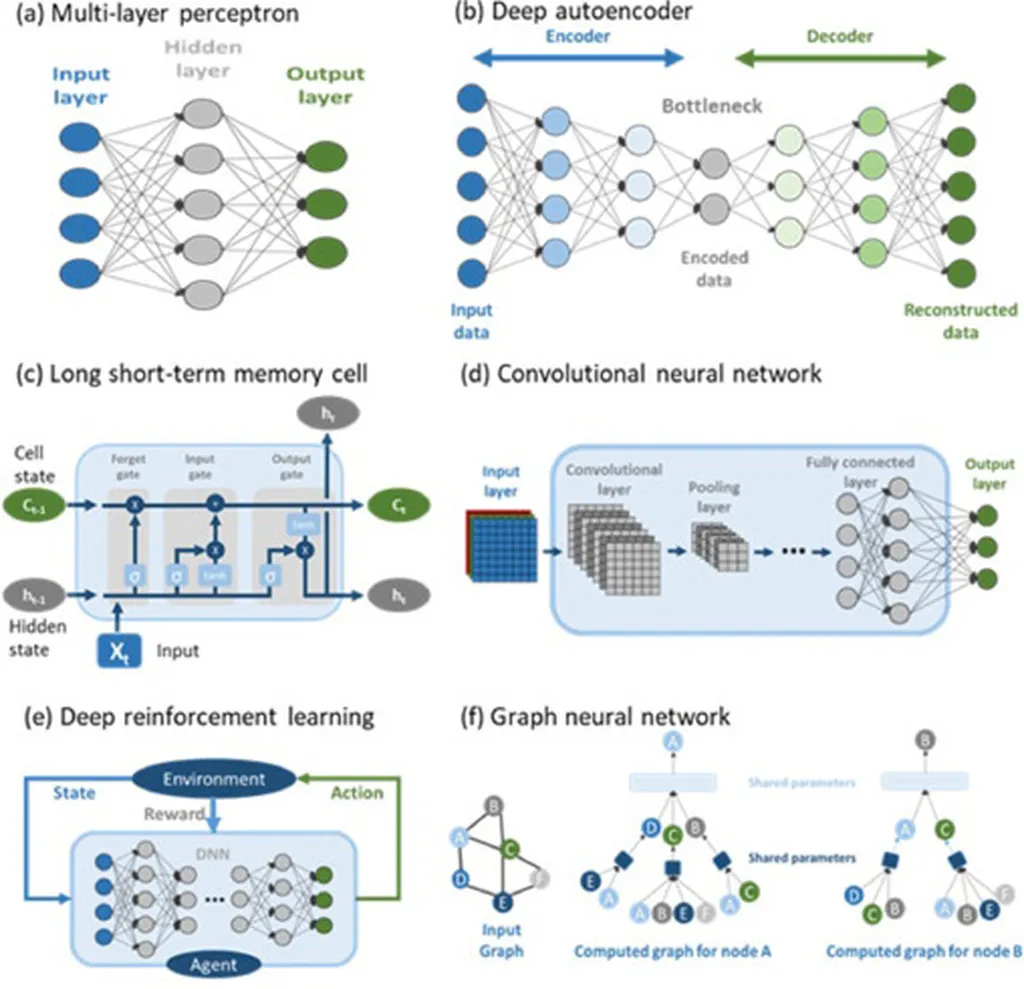
The research introduces an 8-channel input configuration that enhances the precision of waterbody detection. By evaluating four advanced deep learning segmentation models—Proportional–Integral–Derivative Network (PIDNet), Mask2Former, Swin Transformer, and Kernel Network (K-Net)—the study combines their outputs using a weighted average ensemble strategy. This approach achieved an Intersection over Union (IoU) of 0.9422 and an F1-score of 0.9703 in blind testing, demonstrating high accuracy.
While the ensemble model’s gains over the best single model (IoU: 0.9371) were moderate, the enhanced operational reliability through balanced Precision–Recall performance provides significant practical value. “The improved reliability of our ensemble model is particularly valuable for flood and water resource monitoring with high-resolution SAR imagery, especially under data-constrained commercial satellite platforms,” Choi noted.
The implications for the energy sector are profound. Accurate waterbody detection is essential for hydropower management, flood risk assessment, and environmental impact studies. By providing more reliable data, this framework can support better decision-making in energy infrastructure planning and disaster response, ultimately contributing to more sustainable and resilient energy systems.
This research not only advances the field of remote sensing but also sets a new standard for leveraging deep learning techniques in environmental monitoring. As Soyeon Choi and her team continue to refine their framework, the potential for broader applications in various industries becomes increasingly apparent. The study, published in *Remote Sensing*, marks a significant step forward in the integration of advanced technologies for environmental and energy sector applications, paving the way for future innovations in this critical field.