
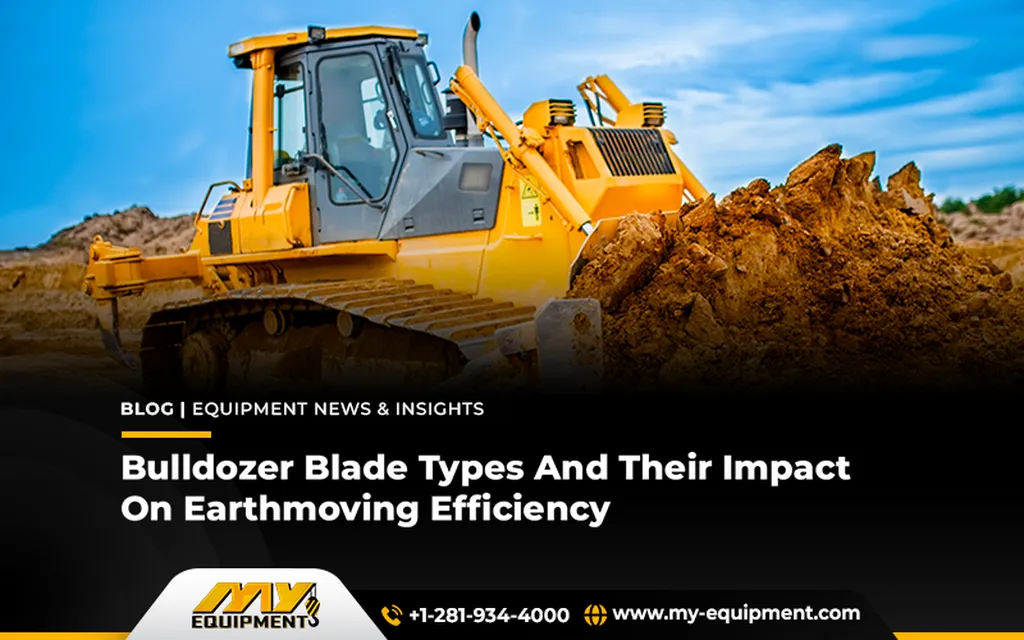
In the ever-evolving landscape of mining and construction, innovation often lies in the details—even in the blades of the bulldozers that shape our landscapes. A groundbreaking study led by Oleksandr Diachenko from the Kyiv National University of Construction and Architecture is turning heads in the industry, promising significant energy savings and productivity boosts. Published in the journal *Mining, Construction, Road and Melioration Machines* (a translation of the original title), the research delves into the world of bulldozer blades, specifically how modern, energy-efficient designs can revolutionize operations in transportation, mining, and engineering.
At the heart of the study are the geometric parameters of bulldozer blades, or “відвали” in Ukrainian, and their interaction with soil. Diachenko and his team examined various blade profiles, including the S-blade, SU-blade, U-blade, Σ-blade, VPAT, and DSAB, to understand their impact on cutting resistance, productivity, and energy consumption. The findings are nothing short of transformative. “The Σ-blade and DSAB designs, in particular, have shown remarkable improvements,” Diachenko explains. “They reduce soil resistance by 15–28% and boost productivity by up to 45% compared to traditional blades.”
The research is built on a foundation of soil mechanics, cutting force modeling, and volume calculations of the soil prism being moved. By optimizing the geometry of the blade’s working surface and adjusting the cutting angle, these innovative designs are redefining efficiency. “The key lies in adapting the blade to the specific conditions of the job site,” Diachenko notes. “This not only cuts fuel costs but also reduces wear and tear on the machinery, extending its lifespan.”
For the energy sector, the implications are substantial. Mining and construction are energy-intensive industries, and any reduction in fuel consumption translates to lower operational costs and a smaller carbon footprint. The study’s recommendations for integrating adaptive systems into modern bulldozers could set a new standard for equipment design, making operations more sustainable and cost-effective.
As the industry looks to the future, Diachenko’s work offers a glimpse into what’s possible. “This research is just the beginning,” he says. “As we continue to refine these designs, we can expect even greater efficiencies and advancements in the field.” With the publication of this study in *Mining, Construction, Road and Melioration Machines*, the stage is set for a new era of innovation in heavy machinery, one blade at a time.