
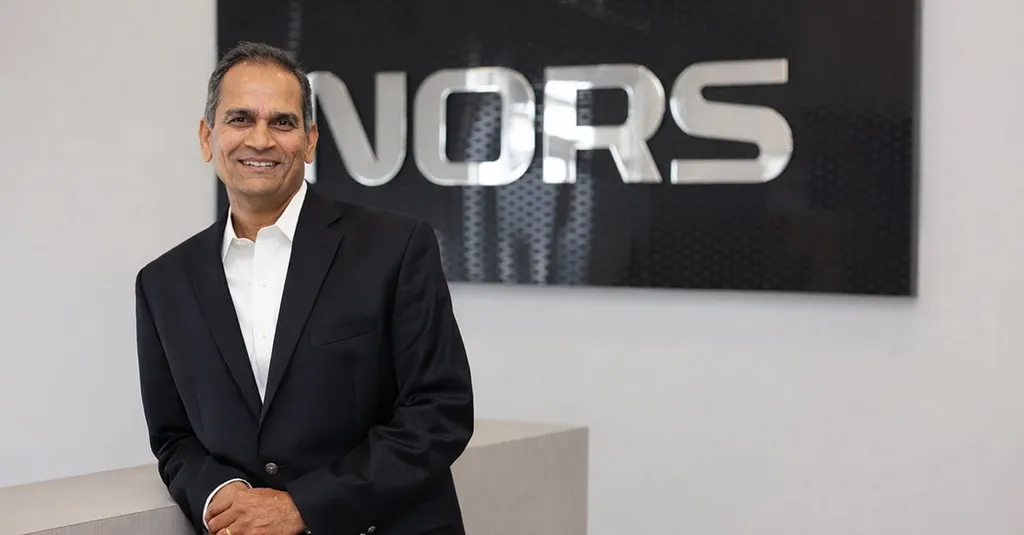
Nors Canada has announced a significant restructuring of its leadership, consolidating its Canadian operations under a unified national structure. This strategic shift aims to enhance operational excellence, governance alignment, and customer service across its construction equipment sector businesses. The move sees Sudhanshu Singh appointed as the single CEO for both Nors Construction Equipment Canada ST (formerly Strongco Corporation) and Nors Construction Equipment Canada GW, effective March 1, 2026. This follows a two-month transition period during which Singh has been working with outgoing Western Canada division CEO Colin Matejka.
The consolidation represents a notable departure from Nors’ previous regional management approach. By centralizing leadership, the company aims to streamline decision-making processes and create a more cohesive strategy for the Canadian market. “The creation of a unified national leadership and this appointment mark a new chapter for Nors Canada,” stated Tomás Jervell, CEO of Nors. “Sudhanshu’s proven leadership and deep industry expertise position him well to strengthen our market presence and deliver exceptional value to our customers across Canada.”
Nors Canada operates across more than 80 percent of the Canadian construction equipment market, representing major brands such as Volvo Construction Equipment, Case Construction, and Manitowoc Crane. The unified leadership structure may enable more coordinated strategies in equipment distribution, service, and support nationwide. Singh emphasized collaboration and alignment as central priorities as Nors continues to integrate its Canadian operations. “Nors has a long and respected history, and I’m excited to build on that legacy as we strengthen our operations in Canada and continue delivering exceptional support to our customers across the country,” he stated.
This restructuring could have significant implications for the Canadian construction equipment industry. By consolidating its leadership, Nors may be better positioned to respond to market demands more efficiently and effectively. The move could also lead to improved service consistency and access to a broader range of construction equipment and support services for customers. However, the success of this strategy will depend on how well Singh can integrate the Eastern and Western operations and foster a cohesive corporate culture.
The announcement comes at a time when the construction equipment sector is facing numerous challenges, including supply chain disruptions, labor shortages, and increasing demand for sustainable solutions. A unified leadership structure could help Nors navigate these challenges more effectively and capitalize on emerging opportunities. For instance, the consolidation may enable Nors to leverage its extensive market reach to promote and implement sustainable practices across its operations.
Moreover, the restructuring could influence how other major players in the Canadian construction equipment market approach their own organizational structures. If Nors’ consolidation proves successful, it could set a precedent for other companies to follow, potentially leading to a more integrated and competitive industry landscape.
In the short term, the transition period will be crucial for ensuring a smooth handover of responsibilities and maintaining operational continuity. Singh’s experience and industry expertise will be vital in navigating this phase and setting the tone for the unified leadership structure. As the new CEO, he will need to balance the need for operational efficiency with the importance of maintaining strong regional relationships and customer satisfaction.
In the long term, the success of this restructuring will be measured by its impact on Nors’ market presence, customer satisfaction, and overall business performance. If the unified leadership structure delivers on its promises, it could position Nors as a more formidable player in the Canadian construction equipment market. Conversely, if the integration process encounters significant hurdles, it could pose challenges to the company’s growth and competitiveness.
Regardless of the outcome, this restructuring marks a significant development in the Canadian construction equipment sector. It underscores the importance of strategic leadership and organizational alignment in driving business success. As the industry continues to evolve, companies will need to adapt their structures and strategies to meet the demands of an increasingly complex and competitive market. Nors’ move serves as a reminder that strategic restructuring can be a powerful tool for driving growth and innovation in the construction equipment sector.