
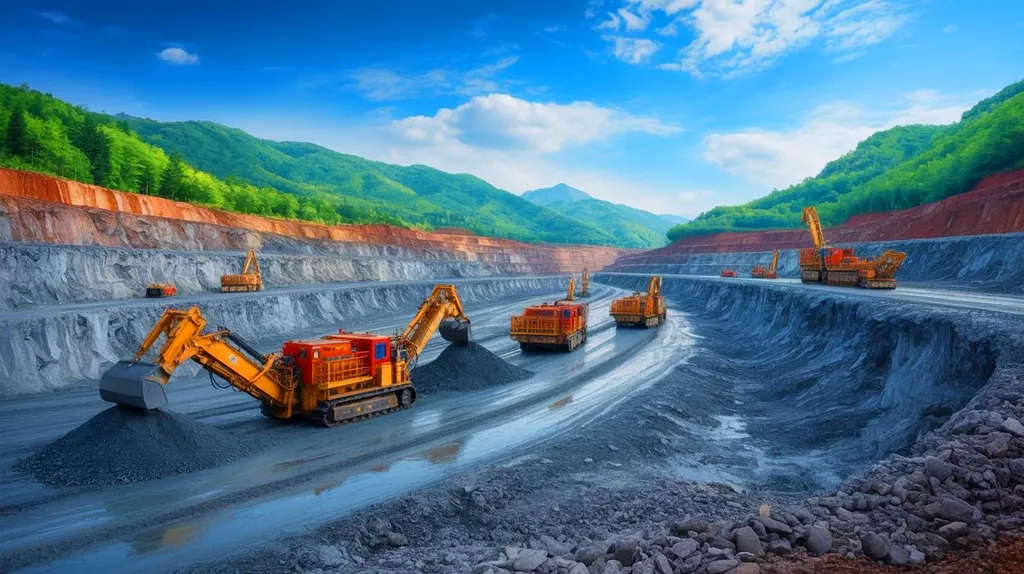
China’s recent discovery of a vast lithium deposit, estimated at 1 million tons, has sent ripples through the global mining and technology sectors. The Jiajika Lithium Mine, nestled in the mountains of Sichuan province, is not just a significant geological find but a strategic boon for China’s ambitions in consumer electronics, energy storage, and electric vehicles.
The lithium in China’s mountains is a surface-level mineral, making it relatively easier and cheaper to extract compared to minerals buried deep underground. “Being a surface-level mineral, it requires less drilling, as it is found close to the earth’s surface, fewer complex engineering systems, and lighter machinery,” explains a mining industry expert. This simplicity translates to lower exploration costs and reduced risks for miners, who are spared exposure to toxic gases, extreme heat, and the constant threat of collapses that plague deeper mining operations.
The implications of this discovery are far-reaching. Lithium is a cornerstone of modern technology, essential for the rechargeable batteries that power smartphones, laptops, power banks, drones, and a plethora of other smart devices. With such a massive reserve, China is well-positioned to dominate the production of these batteries, catering to both domestic and international markets. This could lead to a surge in investments, as global players seek to secure a consistent supply of lithium-powered batteries, including innovative solutions like the silent sand battery for home energy storage.
The automotive industry is another sector poised for transformation. China’s lithium reserves could accelerate the global shift from fuel-powered to battery-powered vehicles. In 2024, China accounted for 70% of the world’s electric car production, with these vehicles relying heavily on lithium-ion batteries. Major automotive brands like Tesla, Volkswagen, BMW, and Ford are already sourcing batteries from China, contributing to cleaner transportation and reduced greenhouse gas emissions.
The discovery also raises questions about the future of other energy sources. While hydrogen and nuclear energy require specialized infrastructure and long-term investments, lithium offers a more straightforward path to meeting current technological demands. “Producing green hydrogen is expensive. Also, storing it requires advanced facilities,” notes an energy analyst. In contrast, lithium’s abundance and ease of processing make it an attractive option for powering the devices and systems that define our digital age.
However, the focus on lithium should not overshadow the need for sustainable practices. The mining industry must ensure that the extraction and processing of lithium are conducted responsibly, minimizing environmental impact and promoting ethical labor practices. As China’s lithium reserves shape the global market, stakeholders must collaborate to establish standards that prioritize both economic growth and environmental stewardship.
The discovery of 1 million tons of lithium in China’s mountains is more than just a geological marvel; it’s a catalyst for technological advancement and economic growth. As the world grapples with the challenges of climate change and the transition to renewable energy, China’s lithium reserves could play a pivotal role in shaping the future of energy and technology. The question now is not just how this discovery will benefit China but how it will influence global strategies and policies in the years to come.