
In the heart of Ethiopia, a silent crisis is unfolding beneath the surface of its lakes. A recent study led by Alazer Bergene Bante from the Department of Digital Image Processing at the Space Science and Geospatial Institute in Addis Ababa has revealed alarming declines in the surface water area of seven major Ethiopian lakes, with implications that ripple far beyond the country’s borders, particularly for the energy sector.
Using advanced geospatial techniques, Bante and his team analyzed satellite imagery from 1992 to 2022, employing the Normalized Difference Water Index (NDWI) on Google Earth Engine to monitor changes in lake surface water dynamics. The results, published in the journal ‘Cleaner Water’ (translated to ‘Water Without Pollution’), paint a stark picture. “We found that Lake Haramaya, for instance, has lost nearly half of its surface water area,” Bante explains. “This is not just an environmental issue; it’s a ticking time bomb for water security and energy production.”
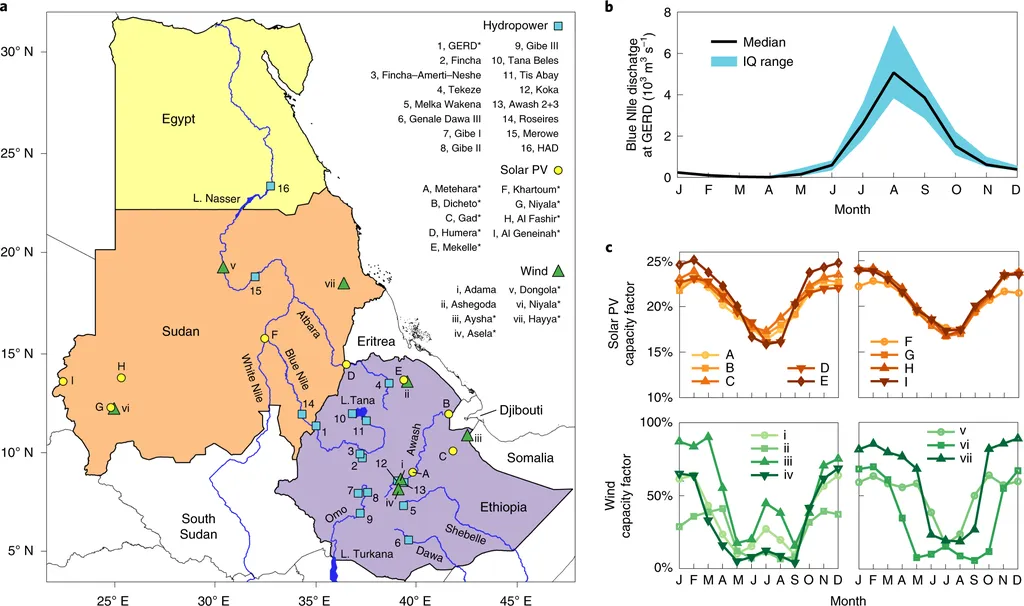
The study highlights that unsustainable water use and climate impacts are the primary drivers behind these drastic changes. For the energy sector, this is a critical concern. Many hydropower plants in Ethiopia rely on these lakes for their operations. A decline in water levels can lead to reduced energy production, affecting both local communities and the broader economy.
Bante’s research underscores the vulnerability of Ethiopian lakes and demonstrates the power of remote sensing in monitoring hydrological changes, even in data-scarce regions. “This technology allows us to track changes over time with unprecedented accuracy,” Bante says. “It’s a game-changer for water resource management.”
The findings also point to the urgent need for conservation measures and policy interventions. Improved resource management and sustainable practices could mitigate further degradation and ensure the longevity of these vital water bodies.
As the world grapples with the impacts of climate change, studies like Bante’s are more important than ever. They provide a roadmap for understanding and addressing the complex interplay between human activities and natural ecosystems. For the energy sector, this research serves as a wake-up call, highlighting the need for sustainable practices that balance energy production with environmental conservation.
In the words of Bante, “The future of our lakes is in our hands. It’s time to act before it’s too late.” As we look to the future, the insights gained from this research will undoubtedly shape the development of more resilient and sustainable water management strategies, not just in Ethiopia, but around the world.