
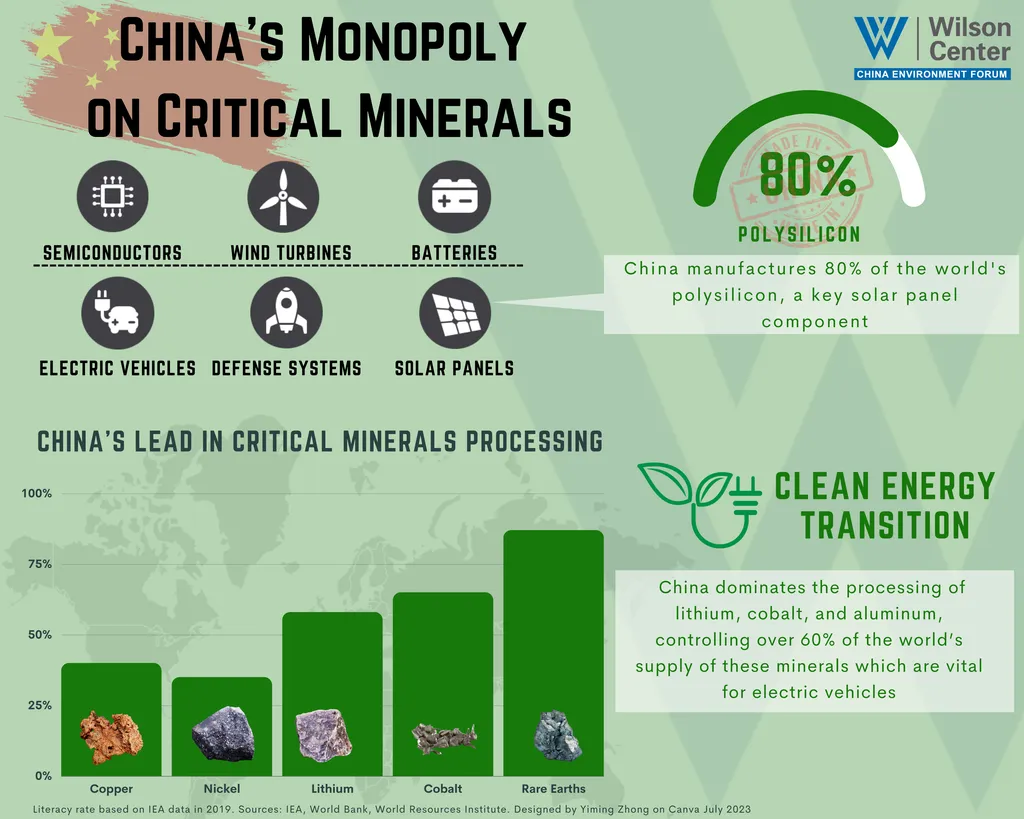
The global energy transition is accelerating, with solar power at the forefront of the shift away from fossil fuels. This transition, however, is not without its challenges, particularly in the realm of critical mineral supply. Cobalt, nickel, and lithium are essential components in photovoltaic systems and solar panels, and their demand is growing exponentially. Yet, terrestrial sources are proving insufficient to meet this burgeoning need, pushing countries to explore alternative avenues, including the deep sea.
The focus on solar energy has created a positive feedback loop with climate change mitigation. However, it has also intensified the demand for minerals crucial to solar panels, electric vehicles, and other renewable technologies. The critical minerals barrier must be overcome for these technologies to function effectively. Polymetallic nodules, found on the ocean floor and enriched with metals like gold and silver, are increasingly seen as a vital resource for the renewable energy mining economy.
China, in particular, has taken a significant lead in deep-seabed mining. With the most deep-seabed mining contracts globally, China has established a first-mover advantage in large portions of the Pacific, Indian, and Arctic Oceans. The Clarion-Clipperton Zone, rich in cobalt, nickel, and manganese, is a prime target. China’s advanced deep-sea mining vessels and autonomous robots, such as the Dayang Hao, underscore its commitment to securing a constant supply of renewables for its domestic economy and potentially monopolizing access to the clean energy supply.
China’s geographic influence and market power are substantial. By securing a precedent among the International Seabed Authority members, China aims to dictate industry regulations and be the primary contender for commercial extraction. The acquisition of these minerals is critical for manufacturing solar panels, batteries, and the infrastructure necessary for a renewable energy transition. The economic and geopolitical prospects for countries involved in deep-sea mining are promising, especially as the world advances toward a low-carbon energy system.
However, deep-sea mining is not without its controversies. Environmental scientists warn that indiscriminate mining could destroy vulnerable marine ecosystems and disturb the carbon sequestration potential of deep sediments, potentially triggering global climate change. These concerns highlight the need for a multidisciplinary perspective on sustainable, renewable future energy.
As the world pivots toward solar power, the procurement of critical minerals will pose tough trade-offs. China’s rapid adoption of deep-sea mining technology illustrates the reality that innovation in clean energy is tightly coupled with the resource footprint. The decisions made today about solar energy, technology, and mineral use will influence global power and the energy system for decades to come. The mining industry must navigate these complexities, balancing the need for critical minerals with environmental stewardship and geopolitical considerations. The path forward will shape not only the energy transition but also the future of the mining sector itself.