
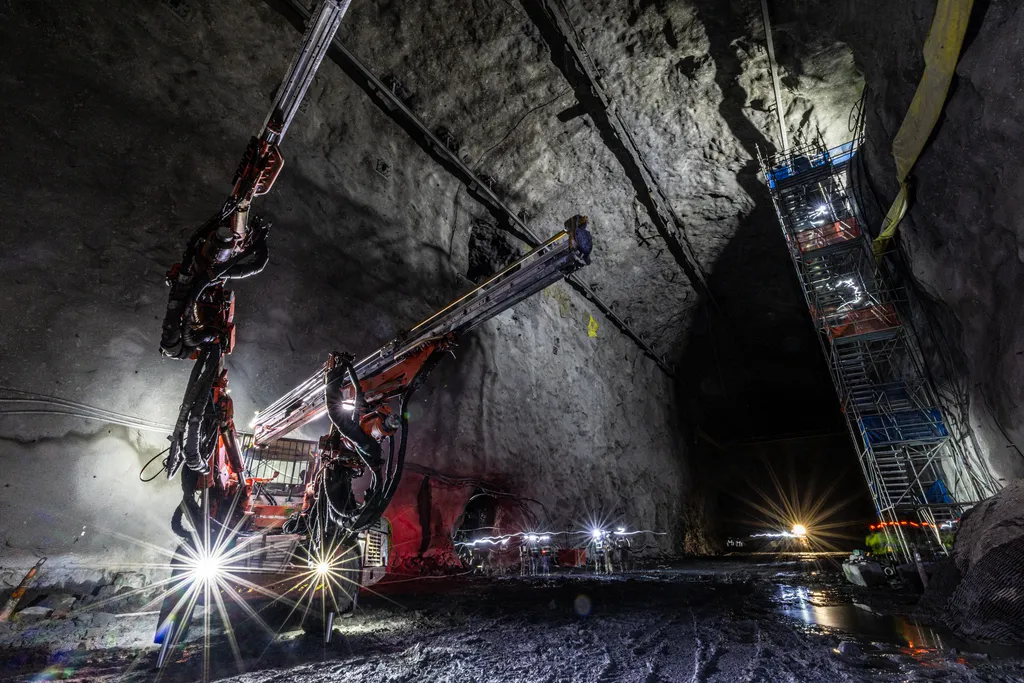
In the shadowy depths of underground mines, where diesel engines roar to life, a silent threat has long loomed: diesel exhaust emissions. But a groundbreaking study, led by Pablo Menendez-Cabo of the National Institute of Silicosis in Oviedo, Spain, is shedding light on how advanced emission control technologies can dramatically improve air quality and worker safety. The research, published in the journal *Clean Technologies* (translated as *Tecnologías Limpias*), offers a beacon of hope for the mining industry and the broader energy sector.
Menendez-Cabo and his team embarked on a comprehensive monitoring campaign at an underground mine, assessing occupational exposure to diesel particulate matter (DPM) and gaseous pollutants like nitrogen oxides (NO and NO2) before and after implementing Diesel Particulate Filters (DPFs) and Selective Catalytic Reduction (SCR) systems. The results are nothing short of remarkable. “We saw a substantial reduction in elemental carbon (EC) concentrations, a key tracer for diesel particulate emissions,” Menendez-Cabo explains. “The median EC exposure dropped from 0.145 mg/m3 in 2021 to just 0.034 mg/m3 in 2023. That’s a reduction of over 75%.”
The implementation of DPFs led to a dramatic decrease in the proportion of samples exceeding the occupational exposure limit (OEL), plummeting from 90% to 28%. Similarly, SCR systems proved highly effective in reducing NO2 levels by 72% and NO concentrations by 77.5% in certain equipment. However, the study also revealed persistent NO levels near loaders, indicating that additional mitigation measures are required.
These findings underscore the efficacy of DPF and SCR technologies in improving air quality and reducing occupational exposure in underground mining environments. “This study provides critical insights into the effectiveness of advanced emission reduction strategies,” Menendez-Cabo notes. “It informs future regulatory compliance efforts and highlights the need for a holistic emission control approach.”
The commercial implications for the energy sector are significant. As the mining industry increasingly adopts these technologies, the demand for advanced emission control systems is expected to rise. This trend could spur innovation and investment in cleaner technologies, benefiting not only the mining sector but also other industries reliant on diesel-powered machinery.
Moreover, the study’s findings could shape future developments in the field, encouraging the integration of ventilation improvements, expanded DPF adoption, alternative propulsion systems, and enhanced maintenance protocols. “We need a comprehensive approach to tackle this issue,” Menendez-Cabo emphasizes. “It’s not just about implementing new technologies; it’s about creating a safer and healthier work environment for everyone involved.”
In conclusion, this research offers a compelling narrative of progress and innovation in the quest for cleaner air and safer working conditions in underground mines. As the energy sector continues to evolve, the insights gleaned from this study will undoubtedly play a pivotal role in shaping the future of emission control technologies.