
In the face of escalating climate change and burgeoning population growth, the global agricultural sector is under immense pressure to adapt and innovate. Nowhere is this more evident than in Romania, where fluctuating precipitation patterns and frequent droughts are taking a toll on crop productivity. Enter Daniela-Felicia Babencu, a researcher from the “Dunarea de Jos” University of Galati, who is spearheading a study that could revolutionize water resource management in agriculture.
Babencu’s research, published in ‘The Annals of “Dunarea de Jos” University of Galati. Fascicle IX, Metallurgy and Materials Science’ (translated as ‘The Annals of the Lower Danube University of Galati. Fascicle IX, Metallurgy and Materials Science’), delves into the benefits of modernizing irrigation technologies. Her work focuses on innovative, smart, and environmentally friendly solutions, with a particular emphasis on precision irrigation. But what sets her study apart is the exploration of an alternative, yet promising, method: fog collectors.
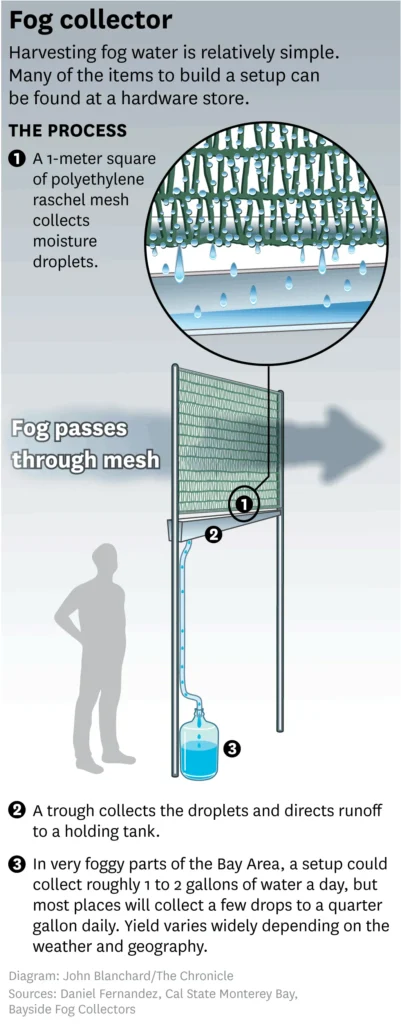
Fog collectors, as Babencu explains, are passive water collection systems that can complement traditional irrigation methods. “They offer a sustainable solution for water resource management, especially in areas with favourable microclimates, such as the hilly regions of Romania,” she says. These systems work by capturing moisture from fog, which is then collected and used for irrigation. This method not only conserves water but also reduces the energy consumption associated with traditional irrigation systems.
The potential commercial impacts of this research are substantial. For the energy sector, the reduced energy consumption in irrigation could lead to significant cost savings and a smaller carbon footprint. Moreover, the implementation of such technologies could open up new markets for energy-efficient agricultural solutions.
Babencu’s work also highlights the importance of adapting to new climatic conditions. “The agricultural sector must evolve to meet the challenges posed by climate change,” she asserts. Her research provides a roadmap for this evolution, offering practical solutions that can be implemented to enhance water resource management and improve crop productivity.
The implications of Babencu’s research extend beyond Romania. As climate change continues to affect global weather patterns, the need for sustainable and efficient agricultural practices will only grow. Her work serves as a beacon, guiding the way towards a future where agriculture is not only productive but also environmentally responsible.
In the words of Babencu, “The future of agriculture lies in our ability to innovate and adapt.” Her research is a testament to this sentiment, offering a glimpse into a future where technology and sustainability go hand in hand. As we grapple with the challenges of climate change, studies like hers provide hope and a path forward.