
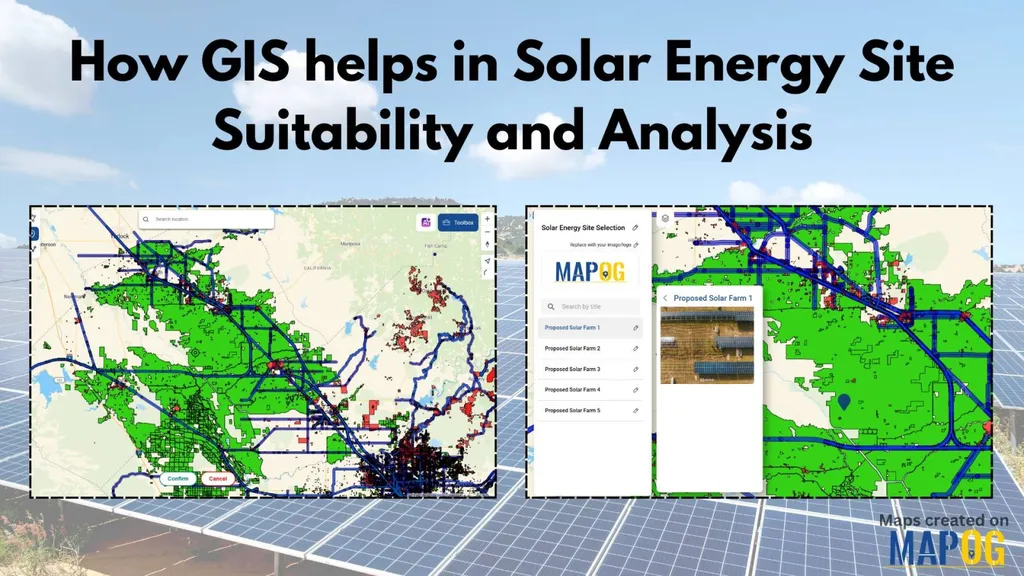
In a groundbreaking development for the renewable energy sector, researchers have unveiled a novel method for mapping photovoltaic (PV) power plants with unprecedented accuracy and resolution. Led by Xiaopeng Zeng from the Institute of Technology for Carbon Neutrality at the Shenzhen Institutes of Advanced Technology, Chinese Academy of Sciences, the study introduces an adaptive normalized difference photovoltaic index (ANDPI) combined with a multi-source data fusion algorithm to extract precise contours of PV power plants from Sentinel-2 imagery. This innovation promises to revolutionize how we monitor and manage solar energy infrastructure globally.
The research, published in the *International Journal of Applied Earth Observations and Geoinformation* (translated as “International Journal of Applied Earth Observation and Geoinformation”), addresses a critical gap in the current geospatial datasets of PV power plants. Existing datasets often suffer from limited spatial coverage, insufficient resolution, or outdated information, hindering effective operational management, policy-making, and environmental analysis. “Our method not only provides high-resolution mapping but also ensures timely updates, which are essential for the dynamic nature of the solar energy sector,” Zeng explained.
The study’s findings are staggering. From 2019 to 2025, the global PV area expanded significantly from 8,432 km² to 16,289 km², with China contributing a substantial 61% of this growth. The research also reveals that PV power plants are predominantly deployed on rangeland (44.0%) and cropland (40.1%), with a shift in dominance from cropland to rangeland occurring after 2021. “This spatial distribution insight is crucial for understanding the environmental impact and optimizing future PV deployments,” Zeng added.
The implications for the energy sector are profound. Accurate and up-to-date mapping of PV power plants enables better resource allocation, improved operational efficiency, and informed policy decisions. For instance, energy companies can leverage this data to identify optimal locations for new installations, reducing costs and maximizing energy output. Additionally, policymakers can use these insights to develop strategies that support the global push towards carbon neutrality and sustainable development.
The research also highlights the potential for future advancements. As Zeng noted, “Our method achieves an overall accuracy of 91.16% and processes data at a speed of 140 km² per second, setting a new benchmark for PV mapping.” This high accuracy and processing speed open doors for real-time monitoring and analysis, which could be game-changing for the energy sector.
The study’s comprehensive geospatial dataset, available on GitHub, represents the most detailed global PV mapping product to date. It offers valuable insights into the spatial distribution and expansion of PV power plants, contributing significantly to global strategies for carbon neutrality and sustainable development. As the world continues to transition towards renewable energy, this research provides a robust tool for stakeholders to navigate the complexities of solar energy infrastructure.
In summary, this innovative approach to PV mapping is poised to shape the future of the energy sector. By providing high-resolution, accurate, and timely data, it empowers energy companies and policymakers to make informed decisions that drive the growth of solar energy and support global sustainability goals. The research not only addresses current challenges but also paves the way for future advancements in the field.