
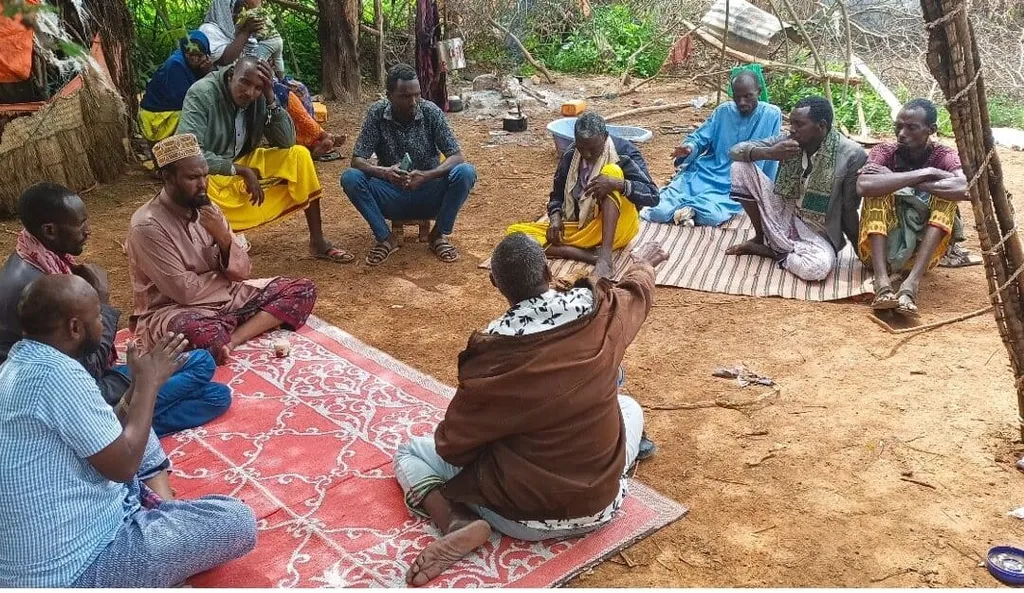
In the heart of Ethiopia’s semi-arid Dubluk district, a critical battle is unfolding—one that could reshape the future of rangelands and, by extension, the rural economy and energy sector. A recent study published in *Discover Environment* (translated to English as *Exploring Environment*) has shed light on the urgent need for sustainable rangeland management, offering insights that could influence policy and commercial practices alike.
Jatani Garbole, a researcher from the Department of Agroforestry at Bule Hora University, led the study, which combined field surveys with advanced satellite imagery to assess the health of rangelands. The findings are stark: 88.4% of the surveyed area is degraded to some extent, with only 1.6% classified as healthy. “The degradation is alarming,” Garbole notes, “but what’s more concerning is the weakening of traditional management systems, which has emerged as the primary driver of this decline.”
The study employed the Normalized Difference Vegetation Index (NDVI) analysis using Landsat 8 Operational Land Imager data from 2024, along with extensive fieldwork. This included 123 household surveys, six key informant interviews, and detailed ecological assessments. The results revealed a complex web of drivers behind rangeland degradation, including population pressure, recurrent droughts, bush encroachment, and agricultural expansion into grazing lands.
Garbole’s team identified 19 herbaceous species and 24 woody plant species in the study area, with grasses making up the majority of the herbaceous species. The rangeland condition assessment yielded an average score of 29.4 out of a possible 100, highlighting the urgent need for intervention. “The NDVI values ranged from -0.02 to 0.41, indicating varying levels of vegetation health,” Garbole explains. “This variability underscores the need for localized monitoring and management strategies.”
The commercial implications of this research are significant, particularly for the energy sector. Rangelands play a crucial role in maintaining ecological biodiversity and food security, which are intrinsically linked to the stability of rural economies. As Garbole points out, “Sustainable rangeland management is not just an environmental issue; it’s an economic one. Healthy rangelands support livestock, which in turn support rural livelihoods and the broader economy.”
The study’s findings could influence policy and commercial practices, encouraging investment in sustainable rangeland management. Garbole recommends that policymakers develop and implement practices that consider traditional knowledge and address the identified drivers of degradation. “This research underscores the urgent need for localized monitoring and management strategies,” Garbole emphasizes. “We need to act now to combat rangeland degradation and ensure the long-term sustainability of these vital ecosystems.”
As the world grapples with the impacts of climate change and environmental degradation, studies like Garbole’s offer a roadmap for action. The insights gained from this research could shape future developments in the field, influencing policy, commercial practices, and the broader effort to combat climate change. With the stakes so high, the call to action has never been clearer.