
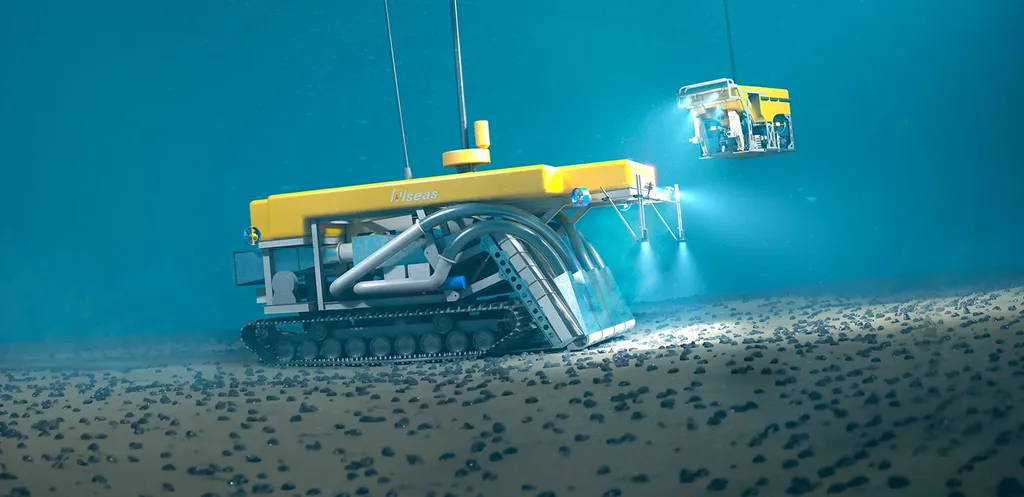
In an innovative move to enhance transparency in the burgeoning deep-sea mining industry, an environmental nonprofit and university researchers have launched an open-access online portal that provides a real-time, bird’s-eye view of global seabed mining activities. Deep-Sea Mining Watch, co-developed by Global Fishing Watch and researchers at the University of California, Santa Barbara, leverages marine vessel tracking technology to monitor industry ships as they explore international waters for high-value metals on the ocean floor.
The portal taps into automatic identification systems (AIS), a technology widely used by mariners to help pilots identify other ships and avoid collisions. By utilizing satellite signals transmitted from moving ocean vessels, Deep-Sea Mining Watch offers a unique window into areas that have not been surveyed or studied by ocean scientists. This includes regions where polymetallic nodules—potato-sized deposits containing metals such as nickel, cobalt, copper, and manganese—are nestled within seafloor sediment thousands of feet below the ocean’s surface.
“This tool is a game-changer for anyone interested in understanding the scale and scope of deep-sea mining activities,” said Dr. Lisa Suatengco, a marine geologist at UC Santa Barbara and one of the project’s lead researchers. “By making this data openly accessible, we aim to foster informed debate and ensure that mining operations are conducted with greater accountability.”
The launch of Deep-Sea Mining Watch comes at a critical juncture for the mining industry, as demand for metals essential to renewable energy technologies and electric vehicles continues to rise. Deep-sea mining proponents argue that extracting these resources from the ocean floor could reduce the environmental impact of terrestrial mining operations. However, critics warn that the long-term ecological consequences of seabed mining remain poorly understood, with potential risks to fragile marine ecosystems and deep-sea biodiversity.
“Transparency is key to ensuring that deep-sea mining is conducted responsibly,” said Jacob Silverman, a policy analyst at Global Fishing Watch. “By providing real-time tracking of mining vessels, we hope to empower stakeholders—including governments, scientists, and the public—to make informed decisions about the future of this industry.”
The portal’s developers emphasize that Deep-Sea Mining Watch is not just a monitoring tool but also a platform for collaboration. Researchers, policymakers, and environmental advocates can use the data to identify gaps in scientific knowledge, assess the environmental impact of mining activities, and advocate for stronger regulatory frameworks.
“This initiative aligns with our mission to promote sustainable ocean governance,” said Dr. Suatengco. “By shedding light on deep-sea mining operations, we can help ensure that the ocean’s resources are managed in a way that balances economic interests with environmental stewardship.”
As the deep-sea mining industry continues to evolve, the launch of Deep-Sea Mining Watch is likely to spark further debate about the ethical and environmental implications of seabed mining. The portal’s real-time tracking capabilities could also influence the development of international regulations, as governments and industry stakeholders grapple with how to manage this emerging sector responsibly.
For now, the tool serves as a powerful reminder of the importance of transparency in the mining industry. By providing an open-access platform for monitoring deep-sea mining activities, Deep-Sea Mining Watch is poised to play a pivotal role in shaping the future of seabed resource extraction.