
In a groundbreaking study published in the journal *Discover Applied Sciences* (translated from Spanish as *Discover Applied Sciences*), researchers have unveiled the vast potential of geomatics technologies to revolutionize decision-making across multiple industries, including the energy sector. The research, led by Paulo Escandón-Panchana of the Laboratory of Geoinformation and Remote Sensing at ESPOL Polytechnic University, systematically maps the current state of geomatics applications, offering a comprehensive guide for professionals and decision-makers.
Geomatics, a field that integrates innovative methods for acquiring, georeferencing, measuring, and managing data, has seen remarkable advancements thanks to space technology and remote sensing platforms. These advancements are not just academic exercises; they hold significant commercial implications, particularly in the energy sector. “Geomatics technologies are transforming how we monitor and manage natural resources, assess risks, and plan infrastructure,” Escandón-Panchana explains. “This is crucial for optimizing decision-making in an era of rapid environmental change and increasing demand for sustainable energy solutions.”
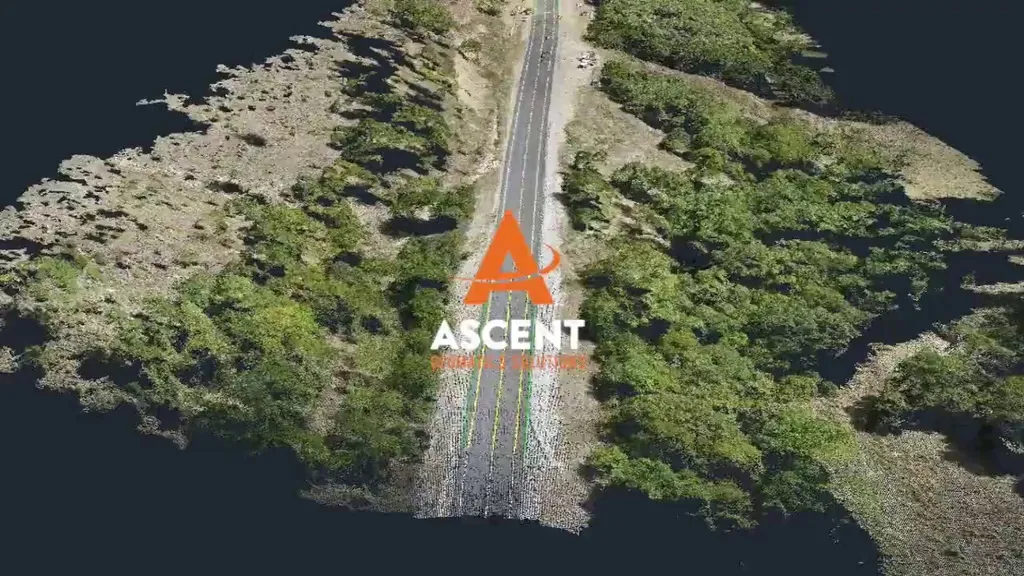
The study highlights several key areas where geomatics is making a substantial impact. In environmental monitoring, for instance, technologies like Unmanned Aerial Vehicles (UAVs), Geographic Information Systems (GIS), and Light Detection and Ranging (LiDAR) are enabling more precise and efficient tracking of environmental changes. This is particularly relevant for the energy sector, where understanding environmental impacts is critical for compliance and sustainability.
Moreover, geomatics is playing a pivotal role in land use management and urban planning. By providing detailed spatial data, these technologies help energy companies identify optimal locations for renewable energy projects, such as wind farms and solar panels, while minimizing environmental disruption. “The integration of geomatics into our planning processes allows us to make more informed decisions, ultimately leading to more sustainable and cost-effective energy solutions,” Escandón-Panchana notes.
The research also underscores the importance of global scientific collaboration in advancing geomatics applications. By analyzing scientific publications from databases like Scopus and Web of Science, the study reveals a growing trend towards interdisciplinary research, which is essential for tackling complex challenges in the energy sector.
Looking ahead, the findings suggest that geomatics will continue to shape the future of the energy industry. As technologies like digital photogrammetry and 3D mapping become more sophisticated, they will provide even more detailed and accurate data, enabling energy companies to optimize their operations and reduce their environmental footprint.
In conclusion, the study published in *Discover Applied Sciences* serves as a vital resource for professionals and decision-makers in the energy sector. By highlighting the current state of geomatics research and its potential applications, it offers a roadmap for leveraging these technologies to address contemporary challenges and drive innovation. As Escandón-Panchana puts it, “The future of the energy sector lies in our ability to harness the power of geomatics technologies to make smarter, more sustainable decisions.”